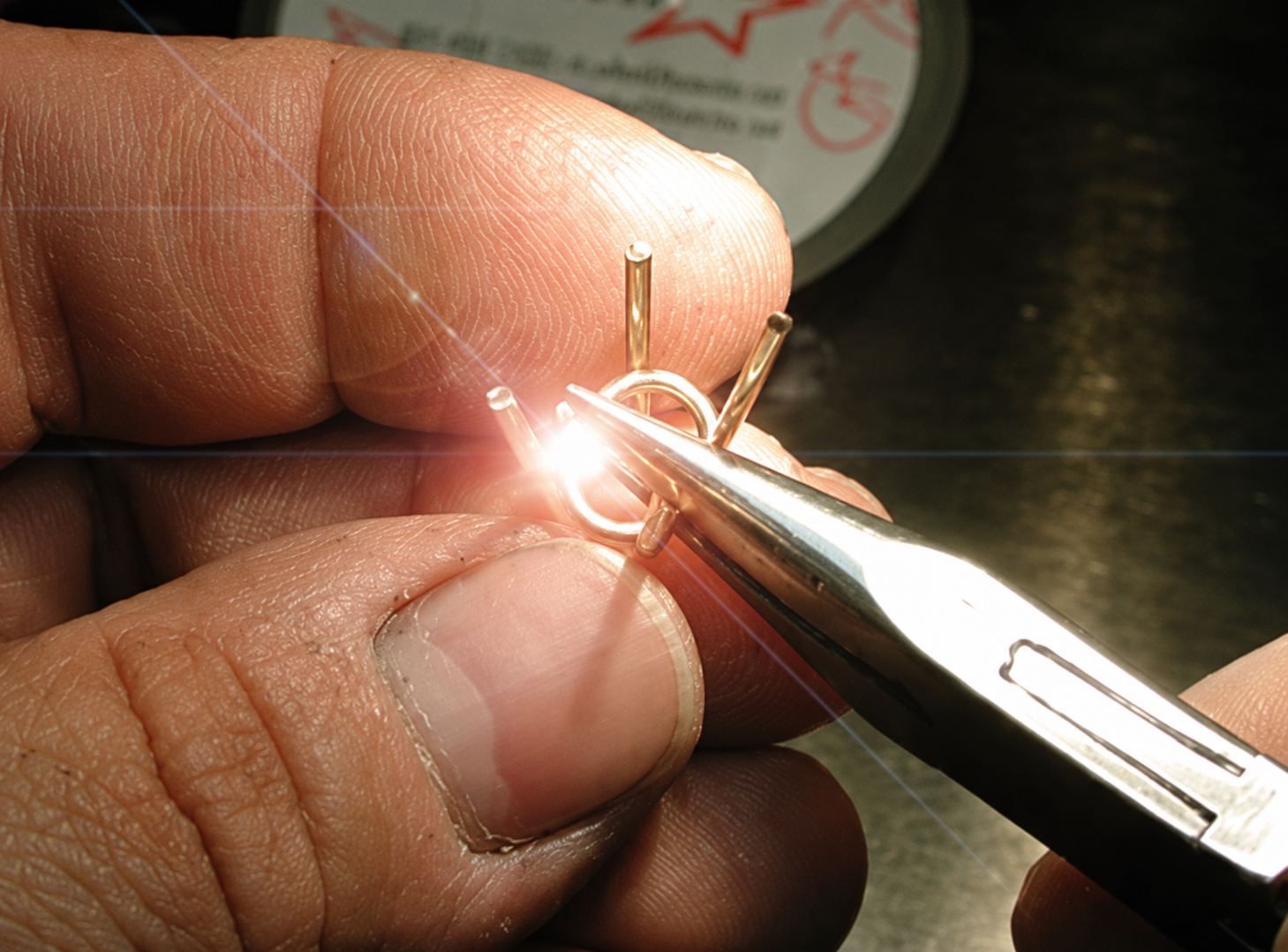
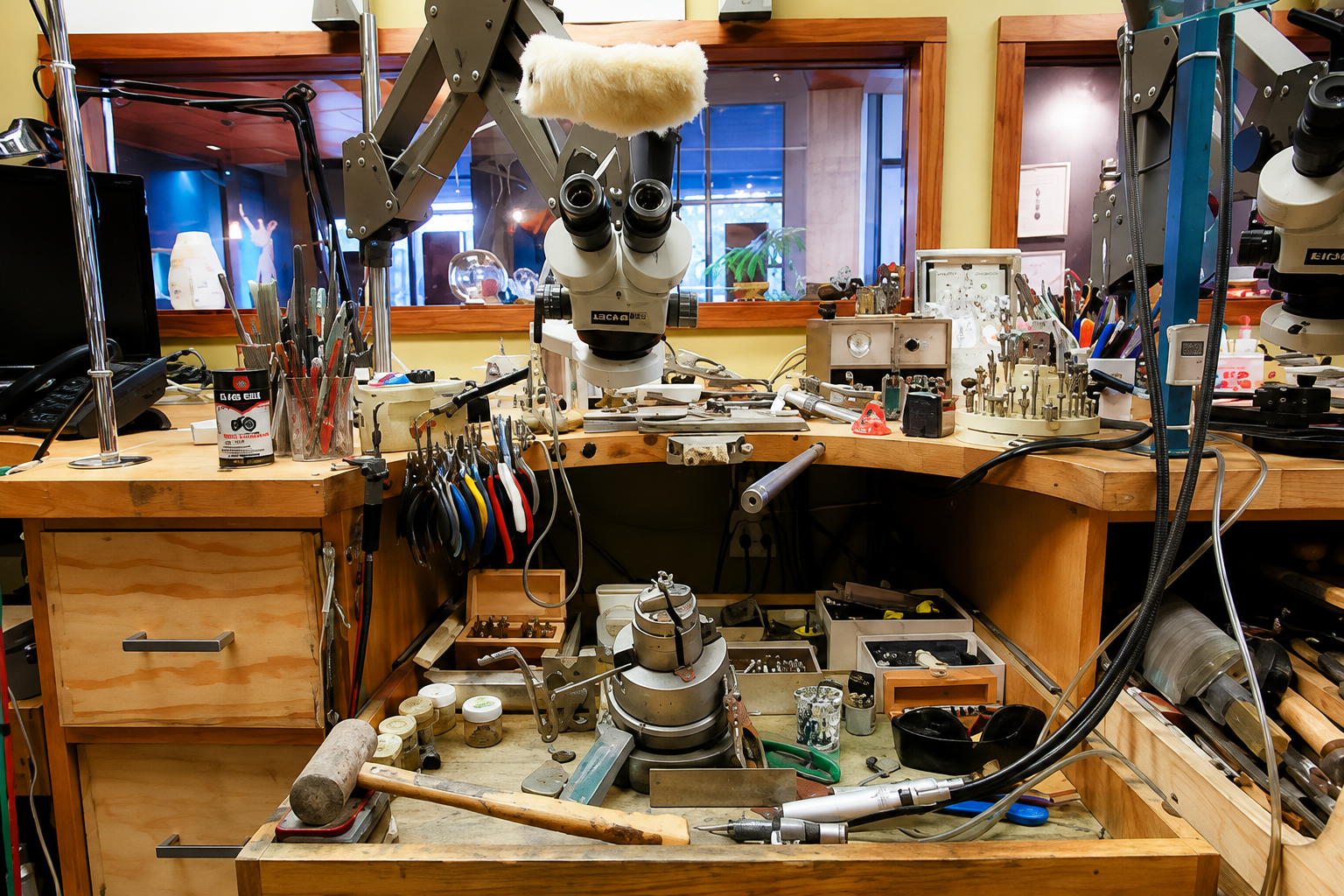
A jewelry laser welder typically costs between $3,000 and $30,000 in 2026.
Compact factory-direct machines generally cost $3,000–$6,000. Professional benchtop systems fall between $6,000 and $15,000, while premium European and American machines usually cost $15,000–$30,000. Industrial and automated systems can exceed $30,000.
The right budget depends on your repair workload, materials, expected operating hours and support requirements—not simply the highest wattage or the best-known brand.
Jewelry Laser Welder Prices at a Glance
Machine Category | Price Range | Typical Machine | Best For |
|---|---|---|---|
Entry-Level Jewelry Laser Welder | $3,000–$6,000 | Compact factory-direct system | Independent jewelers and small repair shops |
Professional Jewelry Laser Welder | $6,000–$15,000 | Professional benchtop welder | Active repair shops and custom studios |
Premium Jewelry Laser Welder | $15,000–$30,000 | Premium branded system | Busy shops handling high-value jewelry |
Industrial Jewelry Laser Welding System | $30,000–$60,000+ | Industrial or automated system | Manufacturers and centralized repair centers |
For most independent jewelry repair shops, the most practical budget is between $3,000 and $15,000.
What Do You Get at Each Price Level?
The price of a laser welder for jewelry reflects more than power alone. As the budget increases, buyers generally gain better optics, more precise controls, longer operating capacity, stronger technical support and greater confidence when handling complex or high-value jewelry repairs. The following breakdown shows what each price range is designed to deliver.
Entry-Level Jewelry Laser Welders: $3,000–$6,000
Entry-level machines are designed for independent goldsmiths, small jewelry stores and businesses purchasing their first laser welder.
They can usually handle chain repair, ring resizing, prong retipping, porosity filling and light gold or silver welding. Most include adjustable welding parameters, a microscope or CCD system and either air cooling or a compact integrated cooling system.
The main advantage is lower financial risk. A repair shop can bring outsourced jobs in-house without investing $15,000 or more before proving customer demand.
The main trade-off is support. Training, documentation and spare-parts availability can vary significantly between suppliers, so sample testing and warranty terms matter more at this price level.
Professional Jewelry Laser Welders: $6,000–$15,000
This is the most suitable range for active repair shops using the machine regularly.
Compared with entry-level systems, these machines generally offer better optics, more stable welding output, improved controls and more comfortable working chambers. They are better suited to mixed gold, silver and platinum work, stone-set repairs, custom fabrication and small-batch production.
Some models also include saved parameter profiles, integrated cameras, better cooling and more structured technical support.
However, a higher price does not always mean proportionally stronger welding performance. Part of the cost may come from local distribution, training, warranty and service.
Premium Jewelry Laser Welders: $15,000–$30,000
Premium systems are aimed at established repair shops, luxury jewelers and businesses handling complex or high-value work.
At this level, buyers are usually paying for better microscopes, more consistent pulse control, improved ergonomics, longer operating capacity and stronger local support.
These machines are easier to justify when repairing platinum, valuable stone-set jewelry or pieces where inconsistent welding could lead to expensive rework.
A premium machine may be unnecessary for a shop completing only a small number of laser repairs each month.
Industrial Jewelry Laser Welders: $30,000–$60,000+
Industrial systems are built for manufacturers, centralized repair facilities and businesses operating for extended production hours.
They may include automated positioning, programmable movement, larger work areas and production fixtures. Their higher cost is mainly justified by capacity, consistency and reduced downtime.
Most independent repair stores do not need this level of equipment unless automation or multi-shift production is required.
Jewelry Laser Welder Brand Price Comparison
The following jewelry welder prices are general 2026 references. Final quotations may vary by configuration, accessories, shipping destination and distributor.
Brand | Representative Model | Approximate Price | Best For |
|---|---|---|---|
JewelryLaserNova | QCW Jewelry Laser Welder | $3,500–$5,500 | Growing repair shops seeking faster ROI |
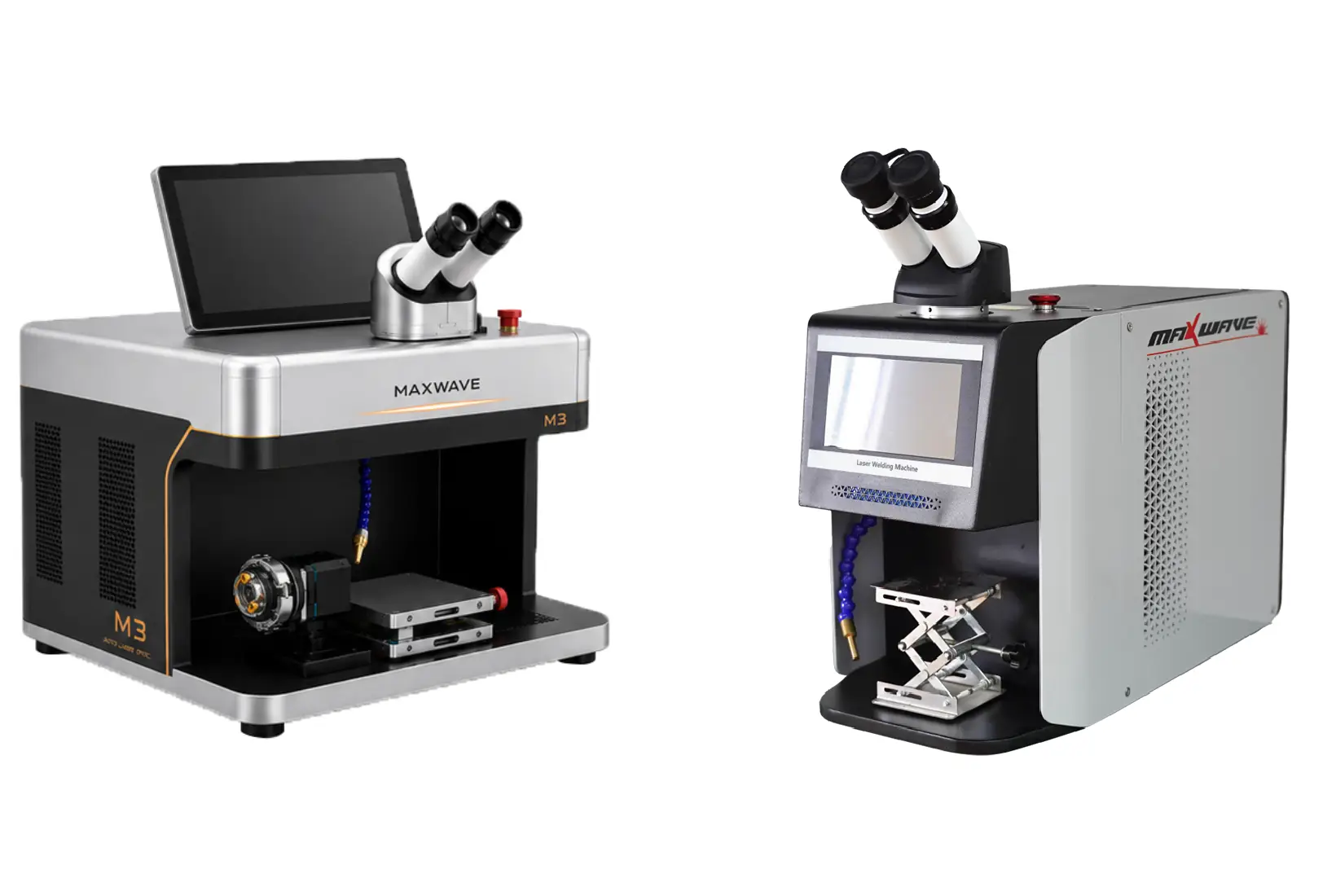
MaxWave | MW-QW Series | $3,700–$4,900 | Factory-direct and OEM buyers |
Elettrolaser | Dado 2.0 | Around $5,200 | Small workshops wanting a compact European machine |
Orion by Sunstone | LZR ECO | $10,000–$11,900 | US buyers prioritizing domestic support |
Neutec | PulsePoint Studio Plus 150 | Around $14,995 | Shops wanting dealer training and support |
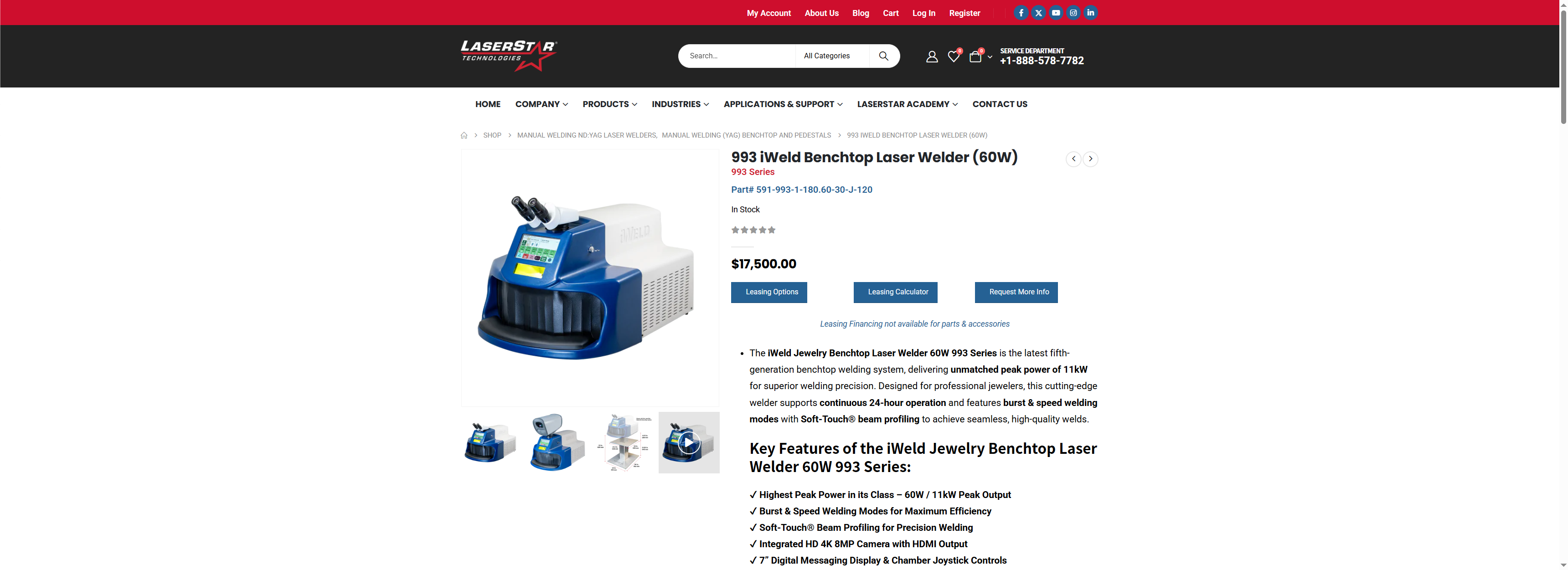
LaserStar | 993 iWeld | Around $17,500 | Established professional repair shops |
Orotig | Evo White | Around $17,500 | Premium goldsmiths and high-value jewelry work |
SISMA | LM-D 230 Flex | $24,250–$26,500 | High-volume precision repair |
Han’s Laser | W150G | Request a quote | Larger workshops and manufacturers |
JewelryLaserNova and other factory-direct jewelry welding machines offer a lower entry cost, making them attractive to shops that want to test demand or bring outsourced repairs in-house.
Premium brands such as LaserStar, Orotig and SISMA cost more, but may provide stronger local service, refined optics and better resale value.
Hidden Costs of a Jewelry Laser Welder
The advertised machine price is not always the final amount you will spend.
Additional Cost | Typical Budget |
|---|---|
Shipping and insurance | $300–$3,000+ |
Taxes and import duties | Varies by country |
Argon and extraction equipment | $300–$2,000 |
Training and installation | $0–$2,500 |
Fixtures and accessories | $200–$1,500 |
Maintenance and consumables | $300–$1,500+ per year |
Compact air-cooled machines usually require less installation and cooling equipment. Larger water-cooled or industrial systems may cost considerably more to deliver and maintain.
As a practical rule, prepare a first-year budget around 15%–30% above the machine price for a compact system and 20%–40% above the machine price for a premium or industrial system.
For example, a $5,000 machine may require a realistic first-year budget of approximately $5,750–$6,500.
Always ask for a complete delivered quotation rather than comparing ex-factory prices alone.
Jewelry Laser Welder ROI
The simplest way to estimate payback is:
Payback period = Total installed cost ÷ Monthly net contribution from laser work
Net contribution is the amount remaining after direct labor, consumables, payment fees, maintenance and rework—not the total amount charged to customers.
The following examples assume that approximately 40% of monthly laser-repair revenue remains as net contribution.
Example Payback Scenarios
Machine Price | Typical Work | Monthly Revenue | Estimated Payback |
|---|---|---|---|
$4,000 | Basic chain and ring repairs | $8,000 | 1.3 months |
$10,000 | Daily precision and stone-set repairs | $15,000 | 1.7 months |
$17,500 | Complex, high-value jewelry repairs | $25,000 | 1.8 months |
$24,250 | Premium restoration and high-volume work | $35,000 | 1.7 months |
A more expensive machine does not always take longer to recover. Premium jewelry laser welding machines may help experienced shops accept higher-priced work, operate for longer hours and reduce costly rework.
However, these figures assume that the business already has sufficient customer demand and a trained operator. Shipping, financing, training, maintenance and slower initial production can extend the actual payback period.
Use conservative revenue estimates rather than advertised maximum production figures.
How to Choose the Right Jewelry Laser Welder
Start with the work your shop already handles. Fine chains and occasional ring repairs may only require a compact system, while regular platinum, stone-set or high-volume work may justify a professional or premium machine.
Before ordering, send each supplier the same representative samples and request a video showing the welding settings, process and finished result. Testing your actual alloys is more useful than comparing wattage alone.
Finally, compare the complete three-year cost—including delivery, accessories, maintenance and support. A cheaper machine may cost more per repair if downtime or spare-parts delays interrupt your business.
Conclusion
For most independent jewelry repair shops, a realistic 2026 budget is between $3,000 and $15,000.
A $3,000–$6,000 machine is often enough for shops entering laser repair or bringing outsourced work in-house. Active repair businesses may benefit from a $6,000–$15,000 system with better optics, controls and daily-use reliability. Premium machines above $15,000 are easier to justify when you regularly handle high-value jewelry, complex repairs or continuous production.
The right choice depends on what you repair, how many jobs you complete and how quickly the machine needs to pay for itself—not simply the brand name or advertised wattage.
Not sure which configuration matches your workload? Send JewelryLaserNova photos or samples of your typical repairs. Our team will test your materials, recommend the right power and configuration, estimate your potential payback period and provide a complete delivered quotation—so you can compare the real cost before you buy.